7 Myths of B2B Content Marketing
Content marketing has become a popular tool for businesses to engage with their customers and reach out to new ones. But how effective is it really? The truth is, credible evidence is not always enough to deter people from believing certain myths, even in business-to-business marketing.
In this article, we’ll be debunking seven of the most common myths surrounding B2B content marketing. By understanding these myths and the real truth behind them, you’ll be better equipped to make the most of this powerful marketing technique.
What is B2B Content Marketing?
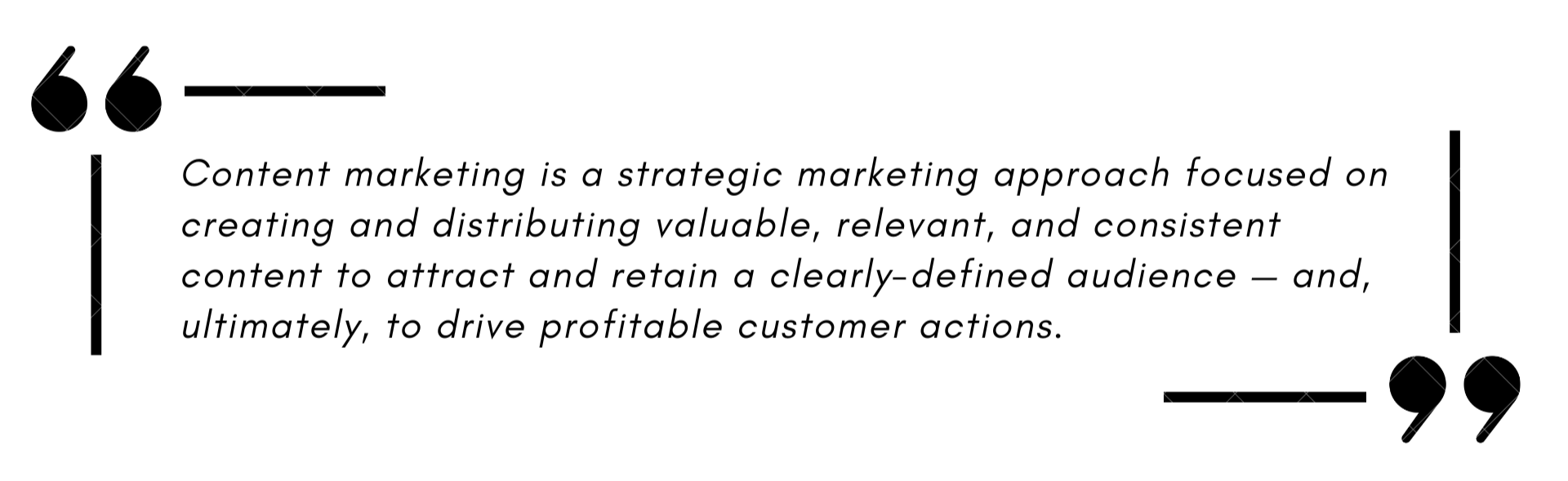
According to the Content Marketing Institute
B2B content marketing is a systematic method to developing and distributing material that caters to the special demands of a business-to-business (B2B) audience. B2B stands for "business to business," and it refers to an audience that is comprised of other businesses. To captivate readers and move them to take action, the content you provide needs to be not only educational but also interesting and convincing.
Examples of B2B content marketing include but are not limited to,- white papers
- case studies
- blog posts
- webinars
- eBooks
- infographics
These sorts of content are intended to meet the unique demands and issues of a B2B target audience, as well as providing solutions and insights that can assist the audience in making decisions that are in line with their best interests.
How B2B can become chatioc
For many businesses, B2B content marketing can become chaotic quickly. With so many different tactics and strategies available, it can be difficult to know where to start. From creating content that appeals to your target audience, to promoting it across multiple channels, the complexity of the process can quickly become overwhelming.
It's helpful to keep a few basic principles in mind while you make your way through the mayhem.
The demands and desires of your target audience must be taken into account. What this implies is finding out what kind of material they're looking for and creating it just for them. Knowing your target market inside and out can help you identify unfulfilled demand and provide you an edge in the retail arena. A company can then tailor its offerings and sales tactics to the needs of its target market.
Consider your intended audience's interests
Use a combination of owned, earned, and paid media in your distribution strategy. This will increase the likelihood that as many people as possible will see your material.
Make up a formula for marketing
Finally, set realistic goals and objectives for your content marketing campaign. This will help you stay focused and track the success of your efforts.
When deciding, prioritize quality over quantity
Success is not guaranteed just by producing more content. Instead, put your efforts into producing material of superior quality that serves a purpose for your readers. Consider using podcasts, videos, and infographics, among other media formats, to set your material apart from the rest of the pack.
Set S.M.A.R.T Goals
My Heading
Why you need to escape the mase game
Content marketing for B2B companies is a competitive and often chaotic space. With hundreds of competitors vying for attention, it can be difficult to stand out and make an impact.
If you're stuck in the maze game, playing the same strategies as everyone else, your content will blend in with the noise and get lost in the shuffle. To break free of the maze game, you need to take a step back and look at your content strategy from a different perspective. In order to effectively do this, you first need to debunk these 7 B2B myths.
Myth 1: B2B is Only Technical
Many people mistakenly believe that buying professional products and services, such as B2B marketing, does not involve the same level of emotional investment as buying consumer goods like cars, vacations, jewelry, and name-brand clothing.
Despite the prevalence of technical jargon and concepts in most of its marketing content, B2B is still human-to-human at its core.
Customers require technical information for well-informed purchases, but they also value content that speaks to them as individuals by being uncomplicated and easy to follow.
B2B isn't only technical and showing emotions throughout your content will not lower the likelihood of your business being successful. Contrary to this myth, you should study the influence of emotions like trust, respect, confidence, value, and fear on a consumer's choice to buy a product. and include this knowledge into your content; while still giving your audience the technical details they require.
Myth 2: B2B Marketing is all about writing articles
Writing articles can be an important component of a business's content marketing strategy, but they are not always enough.
Articles can be limited in their ability to reach a wide audience. With millions of blogs published every day, it can be challenging for a business blog to stand out and attract a large following. While search engines can help drive traffic to a blog, other marketing channels such as social media, email marketing, or paid advertising can reach a broader audience.Businesses that use multi-channel approaches increases have a 57% increase visibility in those that don't. In addition, other marketing channels can provide more concrete metrics and data to help a business better understand its (ROI) and (KPI).
Myth 3: Email Marketing is dead
Understanding how to use a multi-channel approach will help you build a more well-rounded content marketing strategy.
A solid multi channel approach uses market analysis and other metrics to develop a wide variety of content, but first you must
- Identify your target audience
- Define your marketing goals
- Research your target audience's behavior:
- Evaluate your resources
- Select your marketing channels
Remember that a multi-channel approach requires careful planning and coordination to ensure consistency and effectiveness across all channels. Start with a few channels and add more as you gain experience and resources.
Now that we have social media, email marketing is useless, right? Wrong.
When it comes to advertising a business to another business, email marketing is essential. Direct interaction with clients and the ability to send them relevant, customized messages are two of the many benefits.But in this social media age, many B2B companies no longer regard email marketing as a necessary part of their overall marketing plan. However, email marketing is more important than ever for businesses to reach their target consumers because of the rising expectation of personalization in social media.
I apologize for interrupting your reading, but if you're interested in reading the rest of the article and enjoy what you've seen thus far, Fill out the form below. I'd like to personally email you a PDF of this post, hear your thoughts, and offer any additional assistance.
Post a comment